Moisture and Protein: Why Both Matter at Harvest and How to Measure Them Efficiently
Table of Contents
- Why Moisture Matters
- Why Protein Matters
- Moisture vs. Protein: What’s the Difference?
- How to Measure Grain Moisture and Protein Efficiently
- Bringing Moisture and Protein Together
- Better Data, Better Decisions
- Frequently Asked Questions
Moisture and protein might look like simple measurements but they impact many things including:
- Harvest timing
- Drying costs
- Storage life
- Grain quality and pricing
Why Moisture Matters
Grain moisture is the most important factor when it comes to harvest timing, storage safety, and shrink loss. If moisture levels are off, problems can show up fast.Moisture too high?
- Increased risk of spoilage, mold, insect activity, and bin heating
- Higher drying costs and potential bottlenecks during harvest
- Unnecessary weight loss (shrink)
- Reduced overall yield and profitability
- Brittle crops can cause excessive wear on machinery
- Determine the right time to harvest
- Manage dryer settings effectively
- Monitor grain condition during storage
- Prevent mold, insects, and hot spots
That’s why dependable tools like the GAC™ 2700-AGRI, mini GAC™, and mini GAC™ 2500 are widely used across farms and elevators. They provide fast, repeatable moisture readings right in the field or at the bin site, so you can make harvest and storage decisions with confidence.
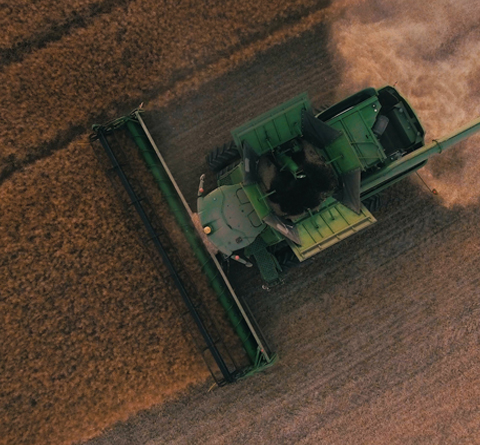
Measuring Moisture and Protein Can Help You Protect Your Grain and Maximize its Value
Why Protein Matters
While knowing the moisture helps you to protect your grain, protein determines its value. Protein content is a key factor in how grain is graded, marketed, and ultimately priced.Protein impacts:
- Premiums and discounts at the elevator
- Whether grain meets contract specifications
- Processing efficiency
- Export market acceptance
- Nitrogen management
- Yield vs. quality balance
- Overall crop consistency
Moisture vs. Protein: What’s the Difference?
Both measurements matter but they answer different questions:| Moisture | Protein |
| Is the grain safe to store? | Is the grain high quality? |
| Will the elevator dock me? | Will I receive a premium? |
| Should I harvest now? | Is my fertilizer strategy working? |
| How do I prevent spoilage? | Will this crop meet contract specs? |
Or more simply put: Moisture helps you avoid losses while Protein helps you to capture value.
Focusing on just one can leave gaps in your decision-making. Having both gives you a complete picture of your grain’s condition and quality.
DICKEY-john Solution
Learn More
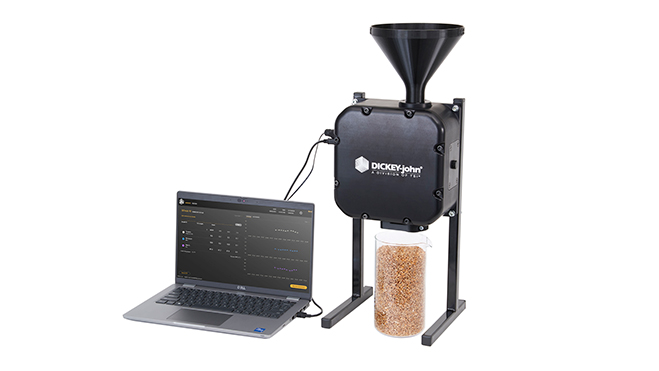
GrainLab Constituent Analyzer
Comprehensive Multi-Constituent Analysis: Simultaneous measurement of protein, oil, moisture, and carbohydrates for a complete grain profile.Learn More
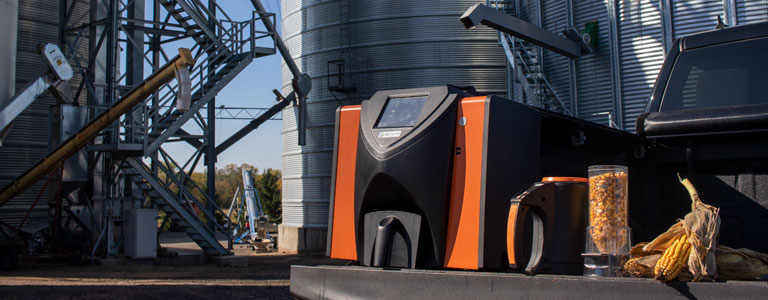 Measuring Moisture with Confidence: GAC™ Moisture Testers
How to Measure Grain Moisture and Protein Efficiently
During harvest, testing needs to be fast, simple and reliable. There’s no time for complicated processes or inconsistent results.GAC™ Moisture Testers are designed to deliver:
- Fast, repeatable results regardless of the user
- Consistency with elevator measurements
- Quick readings that keep harvest moving
Measuring Protein and Grain Quality On-Farm
The GrainLab™ Constituent Analyzer use near-infrared (NIR) technology to measure:
- Protein
- Moisture
- Oil
- Starch/Carbohydrates
- And other key constituents
Bringing Moisture and Protein Together
Whether you choose a GAC Moisture Tester or a GrainLab Constituent Analyzer, either tool gives you quick, reliable insights about your grain. The most efficient operations combine both moisture & protein measurements to guide their decisions.With the right data, you can:
- Harvest at optimal moisture levels
- Store grain safely with less risk
- Identify higher-value grain early
- Market more strategically
- Reduce losses and maximize returns
Better Data, Better Decisions
At harvest, every load matters—and so does every decision.Moisture and protein aren’t just routine measurements. They are key indicators of grain condition, storage risk, and market value.
By using reliable tools to measure both, you can:
Stay ahead of potential issues
Improve efficiency during harvest
And make more confident decisions about your crop
Whether you’re checking moisture in the field with a GAC™ Moisture Tester or evaluating grain quality with a GrainLab™ Constituent Analyzer, having accurate information at the right time can make all the difference.
Frequently Asked Questions
Q: Why is moisture content important in grain testing?
A: Moisture content directly impacts grain quality, storage life, and market value. Grain with too much moisture can spoil or develop mold, while accurate measurement ensures fair pricing and safe storage.Q: How is protein content measured in grains?
A: Protein is typically measured using near-infrared (NIR) technology or by analyzing nitrogen content. These methods provide fast, accurate estimates that are critical for determining grain quality and end-use performance.Q: What is “moisture basis” and why does it matter for protein results?
A: Moisture basis refers to how protein results are standardized (e.g., dry matter vs. as-is moisture). Changing the moisture basis can make protein values appear higher or lower, even though the actual protein content hasn’t changed.Q: How often should grain moisture and protein levels be tested?
A: Grain should be tested at multiple stages—during harvest, before storage, and prior to sale or processing. Regular testing helps prevent spoilage, ensures consistent quality, and allows producers to make timely decisions about drying, blending, or marketing.Q: Why is accurate moisture and protein testing important for grain marketing?
A: Accurate testing ensures fair transactions between buyers and sellers, supports grading standards, and helps meet contract specifications for quality traits like protein and moisture levels.How Application Control Systems Help You Get More from Every Pass
Read Blog